
Can I Buy a Car in Texas and Ship It to California?
Yorka Auto Transport Team
Author
July 14, 2026
Published
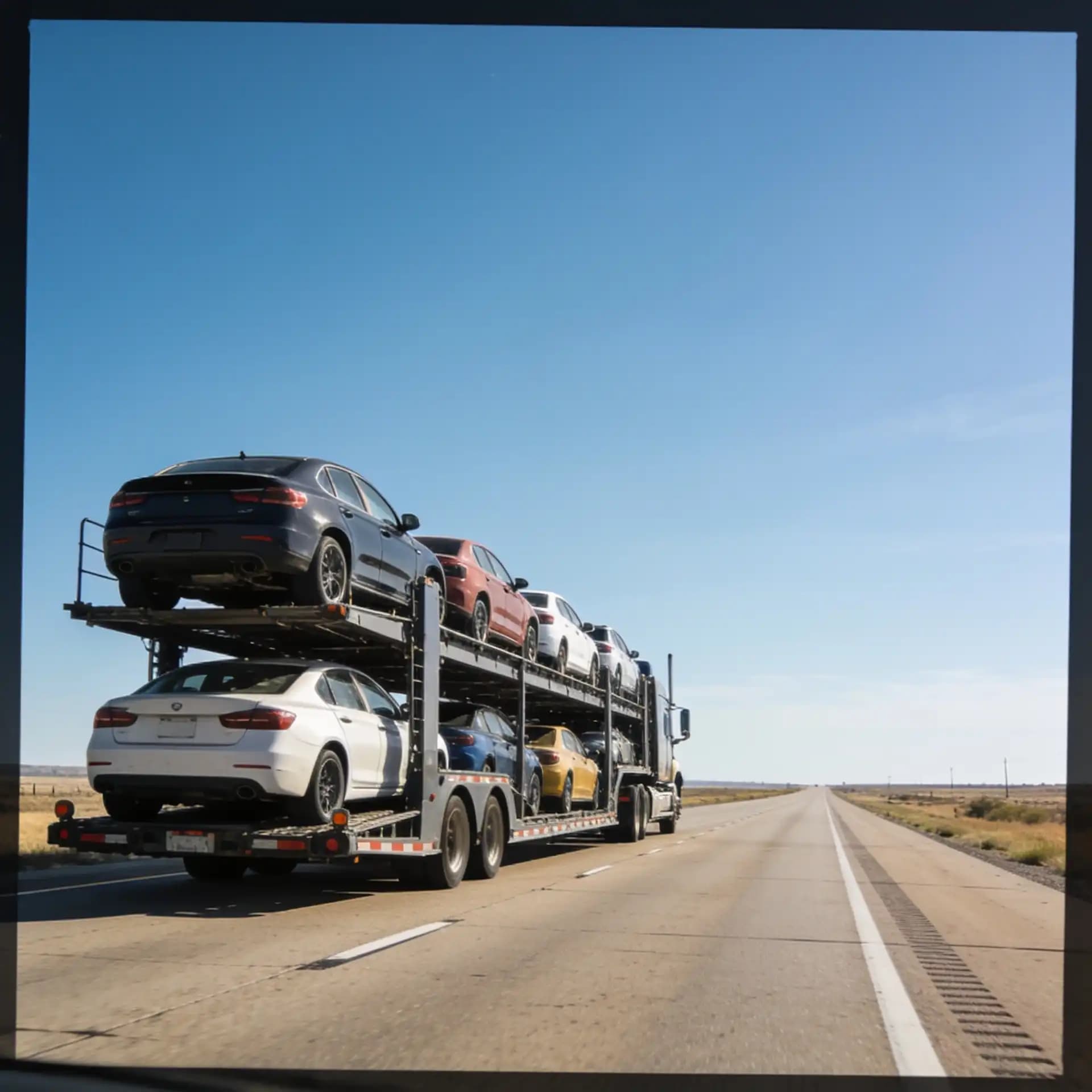

Can I Buy a Car in Texas and Ship It to California? Here's How It Actually Works
Yes — you can buy a car in Texas and have it shipped to California, and it's a common move for buyers chasing better inventory, lower prices, or a specific trim that's hard to find on the West Coast. But it's not quite as simple as paying for the car and calling a hauler. Texas and California each have their own paperwork, tax rules, and — this is the part people get burned on — California has emissions requirements that can block certain out-of-state vehicles from being registered at all. Here's what actually needs to happen, in order.
Step 1: Buying the Car in Texas
Nothing stops a California resident from buying a vehicle from a Texas dealer or private seller. The transaction itself works the same as any car purchase — you negotiate a price, sign a bill of sale, and the seller transfers the title into your name (or, if there's a lien, the lender's paperwork comes into play).
The one Texas-specific step worth knowing: if you buy from a Texas dealer and the car is going straight out of state, the dealer can sell it to you tax-exempt in Texas. To claim this, you sign Form 14-312 (Texas Motor Vehicle Sales Tax Exemption Certificate), and you agree not to drive or register the car in Texas — the vehicle can only be transported directly out of state. This exemption is specifically why shipping, rather than driving the car home yourself, works cleanly with this rule: putting it straight on a carrier is unambiguous proof it never got "used" in Texas.
If you're buying from a private seller in Texas, there's typically no Texas sales tax involved at all in a private-party sale — but you'll still need a properly signed title and a bill of sale to register the car in California.
Step 2: Shipping the Car From Texas to California
Once the paperwork is handled, you have two options: drive it yourself, or ship it. For a purchase you're not planning to road-trip home, shipping is usually the more practical call — no mileage added to a car you just bought, no multi-day drive, and it sidesteps the temporary-tag/insurance juggling that comes with driving an unregistered vehicle across state lines.
What It Costs
Texas-to-California is a shorter route than most coast-to-coast shipments (around 1,500–1,600 miles depending on the specific cities), which keeps pricing lower than longer hauls:
| Transport Type | Typical Cost | Best For |
|---|---|---|
| Open carrier | $900 – $1,400 | Most vehicles, daily drivers |
| Enclosed carrier | $1,400 – $2,200 | Higher-value or collector vehicles |
Transit typically runs 5 to 10 days from booking to delivery, though a shorter leg like El Paso to Los Angeles can move faster than a longer one like Houston to San Francisco.
Insurance Note
Your transport company's cargo insurance covers the vehicle while it's on the truck, but that coverage ends the moment it's driven off. Get your own insurance in place before delivery — you'll need it the second the car touches the ground in your driveway.
Step 3: What California Requires Once the Car Arrives
This is where most of the real work happens, and where people run into surprises.
You Have 20 Days to Register It
California requires you to register an out-of-state vehicle within 20 days of bringing it into the state. Miss that window and penalty fees start stacking on top of your registration cost.
California Use Tax
Since most Texas purchases (dealer or private) don't involve Texas sales tax being paid on an out-of-state delivery, California will generally charge its full use tax on the purchase price when you register the car — there's usually little or no credit to claim, because there's no Texas tax paid to offset it. Budget for this; it's calculated like sales tax would be on a California purchase, based on your county's rate.
Smog Check — Even If the Car Already Passed One in Texas
California does not accept out-of-state smog inspections, full stop. You'll need a California smog check before you can register the vehicle, regardless of what Texas required or didn't require. Gasoline vehicles under 8 model-years old are exempt from the inspection itself (you pay a smog abatement fee instead for part of that window), but anything older needs to pass a California-specific test.
CARB Compliance — The One That Catches People Off Guard
This is the requirement that trips up more out-of-state buyers than any other. California enforces its own emissions standards through the California Air Resources Board (CARB), separate from federal standards. Vehicles are generally built as either:
- 50-state (California-certified): legal to register in any state, including California
- 49-state: meets federal emissions standards but not California's stricter ones
If a car sold in Texas was built as a 49-state vehicle, it may not qualify for California registration at all, unless it falls under a specific exemption. This mostly affects certain diesel trucks, some motorcycles, and a handful of specialty or older vehicles — but it's a real risk, and it's not something a shipping company or even most sellers will flag for you.
Before you buy anything in Texas that you plan to register in California, confirm the vehicle's emissions certification. Ask the dealer directly whether the vehicle is California-certified (50-state), or check the vehicle's Federal Certification Label (usually on the driver's-side door jamb) for the certification statement. If you're buying a diesel truck, it's also worth checking whether it falls under CARB's Truck and Bus regulations before you commit.
VIN Verification
California requires a physical VIN verification for most vehicles registered from out of state — confirming the VIN on your paperwork matches the vehicle and that it has the correct Federal Certification Label. This is typically done at a CHP office, a licensed verifier, or sometimes at the DMV itself, and it's a separate step from the smog check.
Documents to Have Ready
- Signed, correctly completed title (or a Manufacturer's Certificate of Origin if it's new)
- Bill of sale showing purchase price and date
- Texas Form 14-312 exemption certificate, if applicable
- Lienholder paperwork, if the car is financed
- Proof of California insurance
- Passed California smog check certificate (unless exempt)
- Completed VIN verification form
The Bottom Line
Buying a car in Texas and shipping it to California is completely doable and, for the right vehicle, can genuinely save you money over buying locally — Texas dealer inventory and pricing are often more competitive. The part that actually needs your attention isn't the shipping (that's the easy part); it's confirming the vehicle is California-emissions-compliant before you buy it, and budgeting for California's use tax and smog check on top of the purchase price.
Get Your Texas-to-California Shipment Quoted
Once you've confirmed the vehicle checks out, the shipping side is straightforward. Yorka Auto Transport runs the Texas-to-California route regularly, with clear pricing based on your actual vehicle and pickup location — not a lowball estimate that changes once a carrier is booked. Get a free quote today and get your new car home without adding a single mile to the odometer.
Related Articles
Continue reading with these related posts
Cost to Ship a Car From Virginia to California (2026)
See real 2026 rates to ship a car from Virginia to California — open vs. enclosed pricing, seasonal timing, and how to get an accurate quote.
How Expensive Is It to Ship a Car to Florida?
See real 2026 costs to ship a car from California to Florida — open vs. enclosed pricing, timing tips, and how to get an accurate quote.
Florida to Pennsylvania Auto Transport: 2026 Price Guide & Snowbird Tips
Ship a car from Florida to Pennsylvania for $800–$1,350. 2026 rates, snowbird tips & Philadelphia delivery insights.