
Car Shipping Insurance and Bill of Lading: Damage Guide
Yorka Auto Transport Team
Author
November 23, 2026
Published

By Yorkin Yusupov, CEO of Yorka Auto Transport. Updated November 23, 2026.
When a vehicle is transported, a price quote and estimated delivery date are only part of the paperwork. One of the most valuable records is the Bill of Lading (see our car shipping guide), commonly called the BOL. Combined with clear photographs and a careful inspection, it can help establish the condition of a car when custody changes hands.
Having experience on the driving and carrier side of auto transport changes how you view this document. It is not a form to sign quickly so the truck can leave. It is a record that can protect the customer, driver, carrier, and other parties when a later disagreement arises.
What is a Bill of Lading in auto transport?
The BOL is a shipping record used during the vehicle handoff. Depending on the carrier's form, it may identify the vehicle, pickup and delivery locations, dates, parties, observed condition, exceptions, and signatures.
At pickup, it establishes a documented starting condition. At delivery, the new inspection can be compared against that starting point. It may also help show who had custody of the vehicle and when.
Important: A BOL is evidence, not an automatic decision on who is legally responsible. The booking agreement (here is what to check before booking), carrier terms, insurance policy, photographs, and the facts of the incident can all matter.
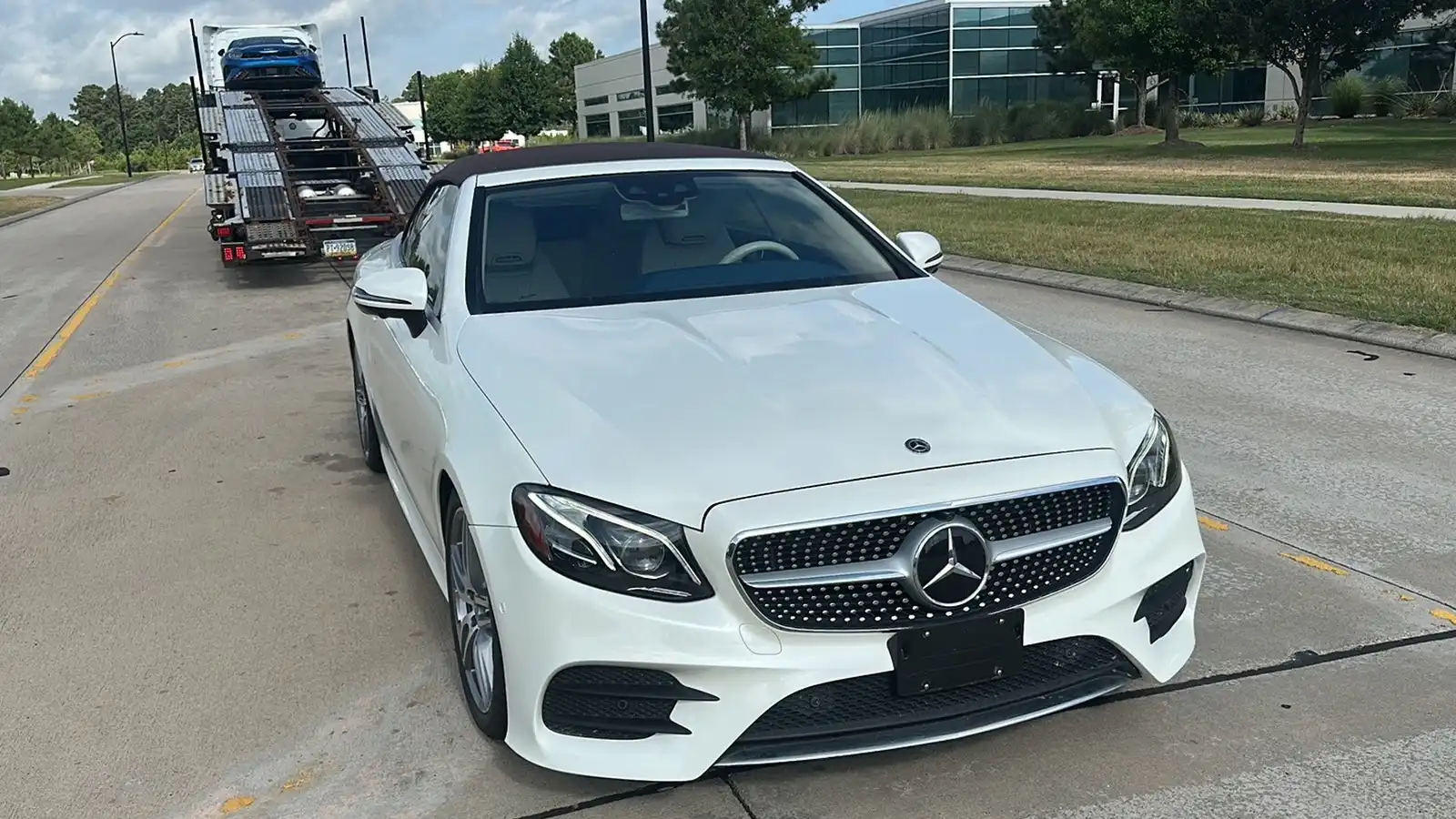
Photograph every side of the car in good light before it is loaded, and keep the original files.
The pickup inspection: document what the driver can see
Try to inspect the car in sufficient light, with the exterior reasonably clean. Photograph each side, front and rear bumpers, roof where safely visible, glass, wheels, and any scratches, dents, or loose parts. Include close-ups of existing damage and a few wider photos showing where each close-up was taken.
Compare those observations with the condition report. If an existing mark is missing or a description is unclear, ask that it be corrected before signing. Save your own original images and a copy of the pickup BOL.
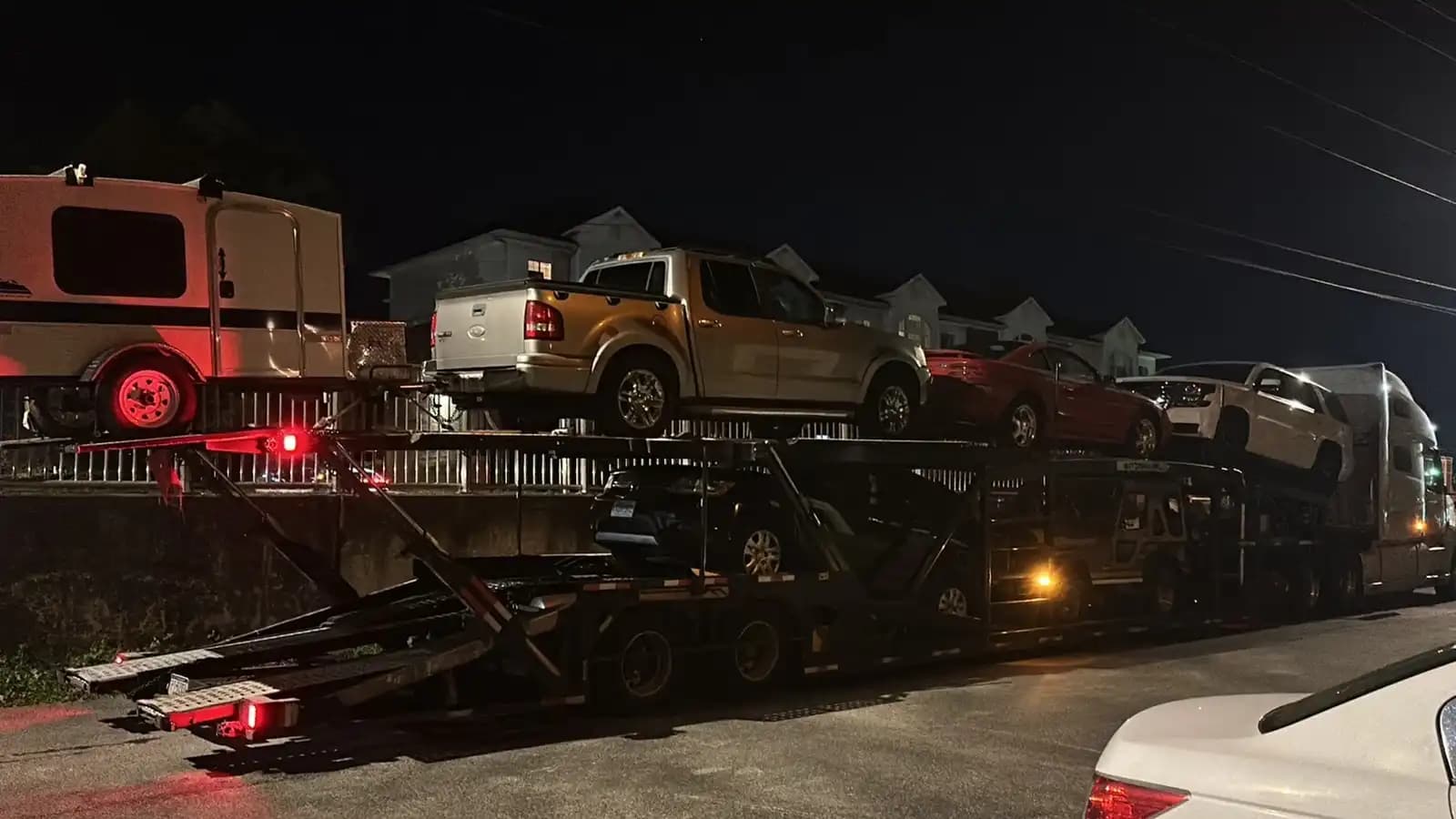
Night pickup requires special attention. Shadows, rain, glare, and weak lighting can hide dents. If a thorough inspection is not possible, document the limitation rather than pretending the vehicle was fully examined.
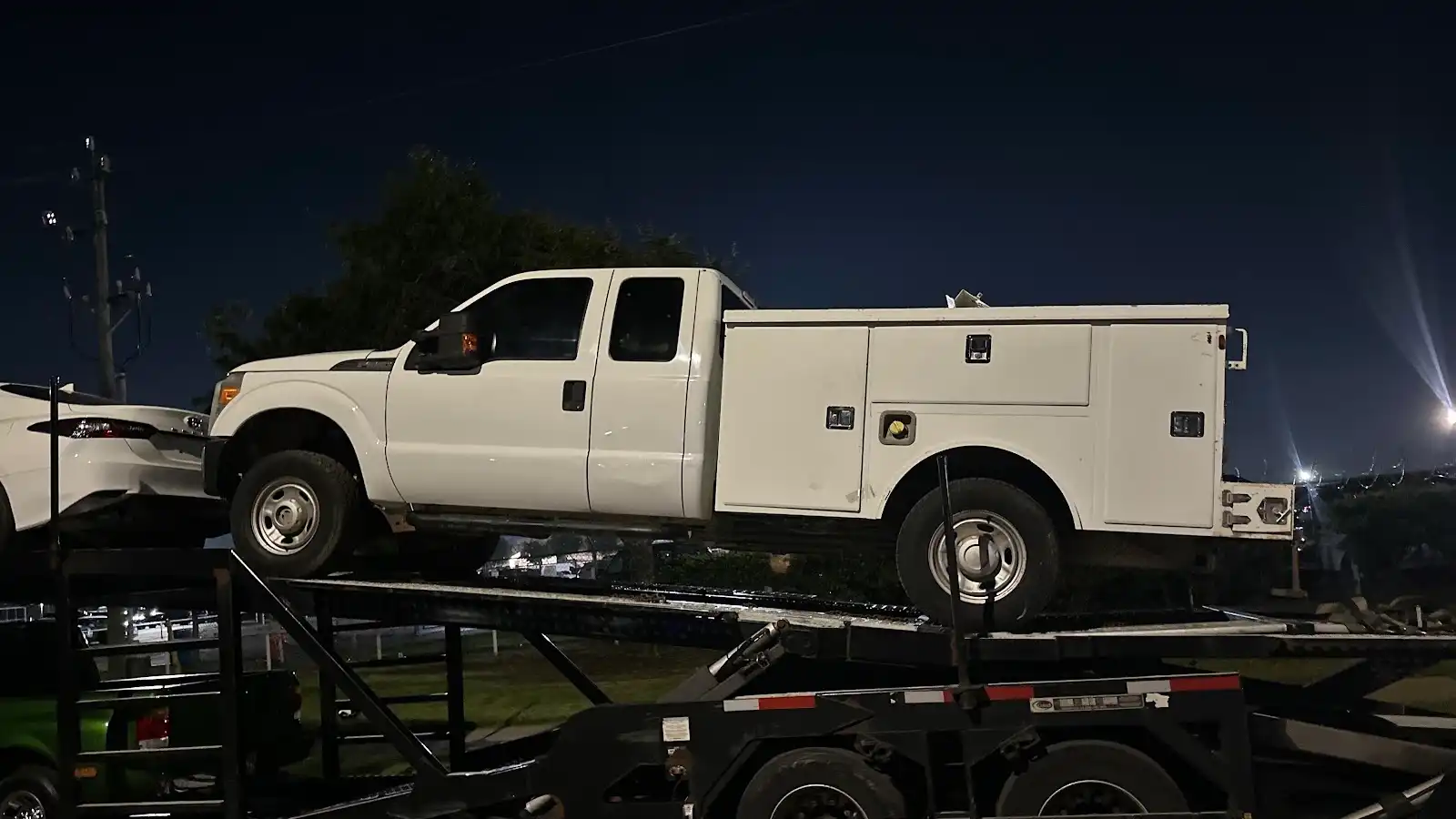
Night handoffs make dents and scratches harder to see. Note any lighting limits on the condition report.
Inspect again before signing at delivery
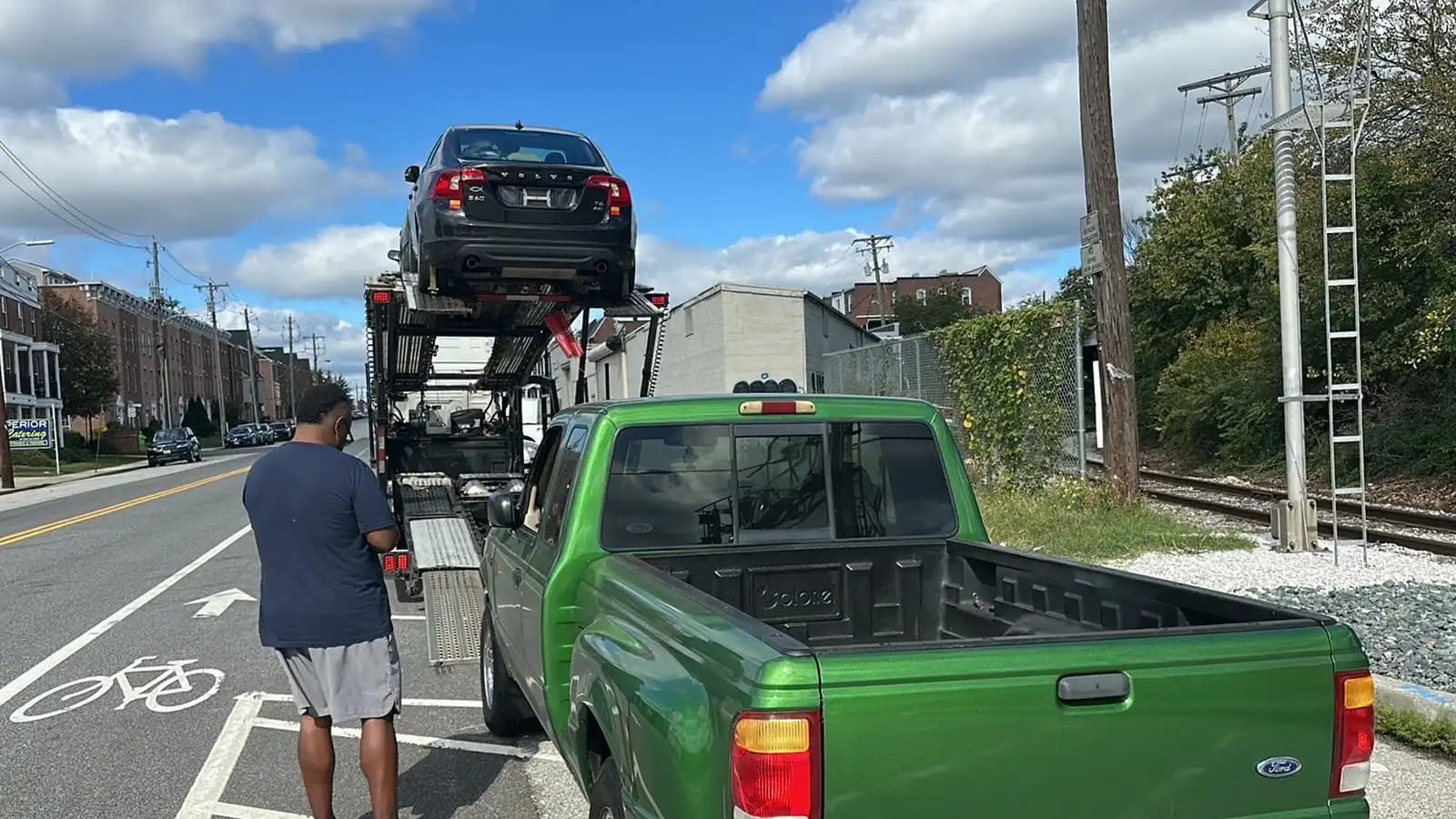
At delivery, compare the car with your pickup photographs and the original BOL. Look at panels, trim, glass, wheels, and accessible parts of the vehicle. Allow enough time for a reasonable inspection without unnecessarily delaying the driver.
If you suspect new damage:
-
Photograph the area immediately, including both close and wide views.
-
Write a specific description on the delivery condition report before signing whenever possible.
-
Keep a clear copy of the completed delivery BOL.
-
Notify the motor carrier and booking broker promptly, in writing. (Not sure who does what? Read broker vs. carrier: key differences.)
-
Ask for the carrier's claim-submission procedure and any applicable deadlines.
-
Preserve related repair estimates, communications, and payment records.
Do not rely solely on a verbal assurance that someone will handle the problem later. Documenting an observation does not guarantee that a claim will be accepted, but failing to document it can make the evidence harder to evaluate.
What does car carrier cargo insurance cover?
Many motor carriers maintain cargo coverage, but coverage is governed by the actual policy and conditions. Limits, deductibles, exclusions, proof requirements, and the cause of the damage may affect the result. Some issues may involve legal carrier liability apart from any insurance payment.
Never assume that a displayed coverage amount means every vehicle, every type of damage, or every personal item is insured in full. Ask what documentation is required and how a claim is reported. You can also read how we vet carriers before they move a customer vehicle.
Cash, electronics, luggage, documents, and valuables left inside a vehicle may not be covered under vehicle cargo arrangements. The safest course, explained in how auto transport works, is to remove valuables before pickup and confirm the assigned carrier's policy on personal property.
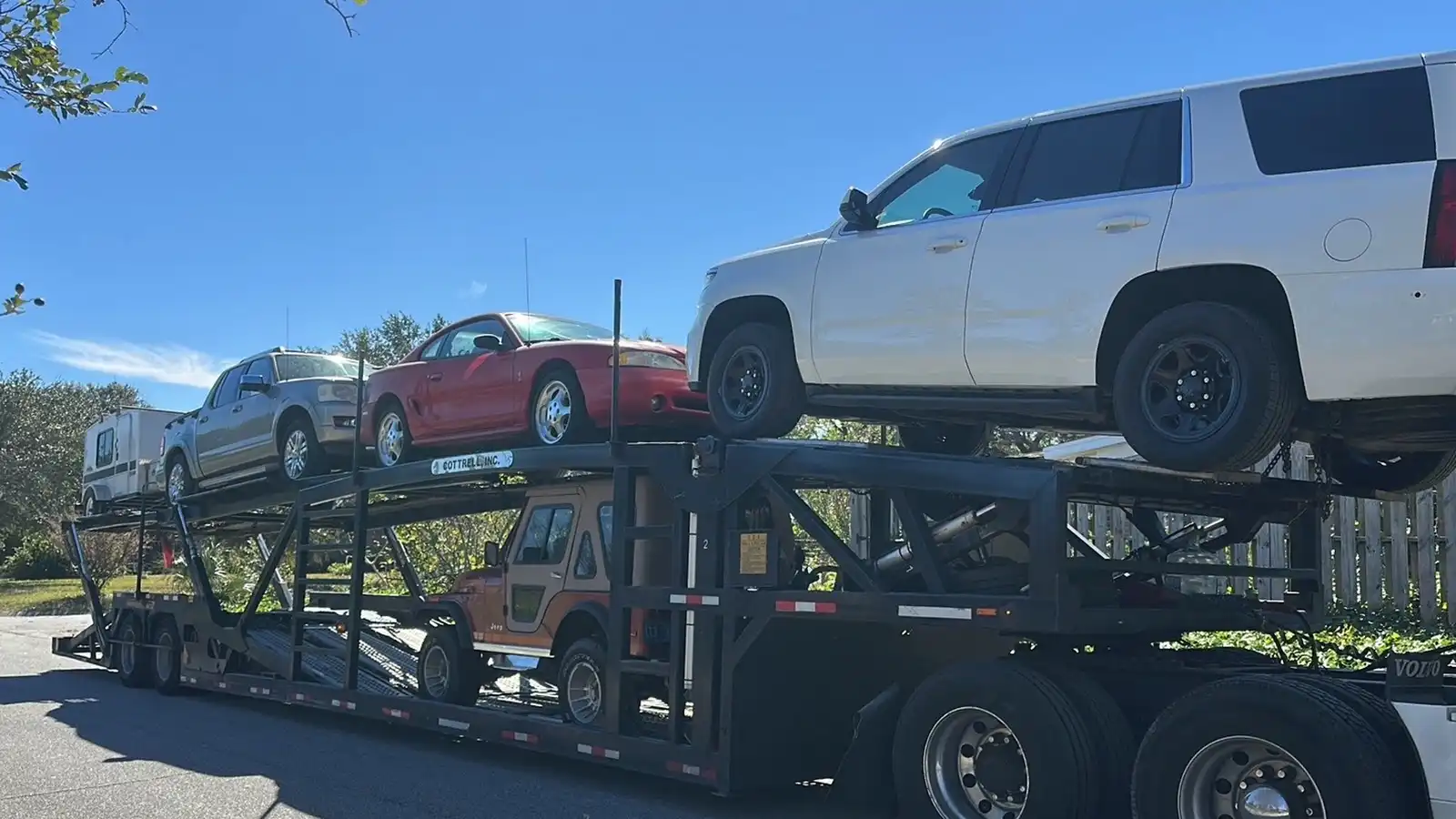
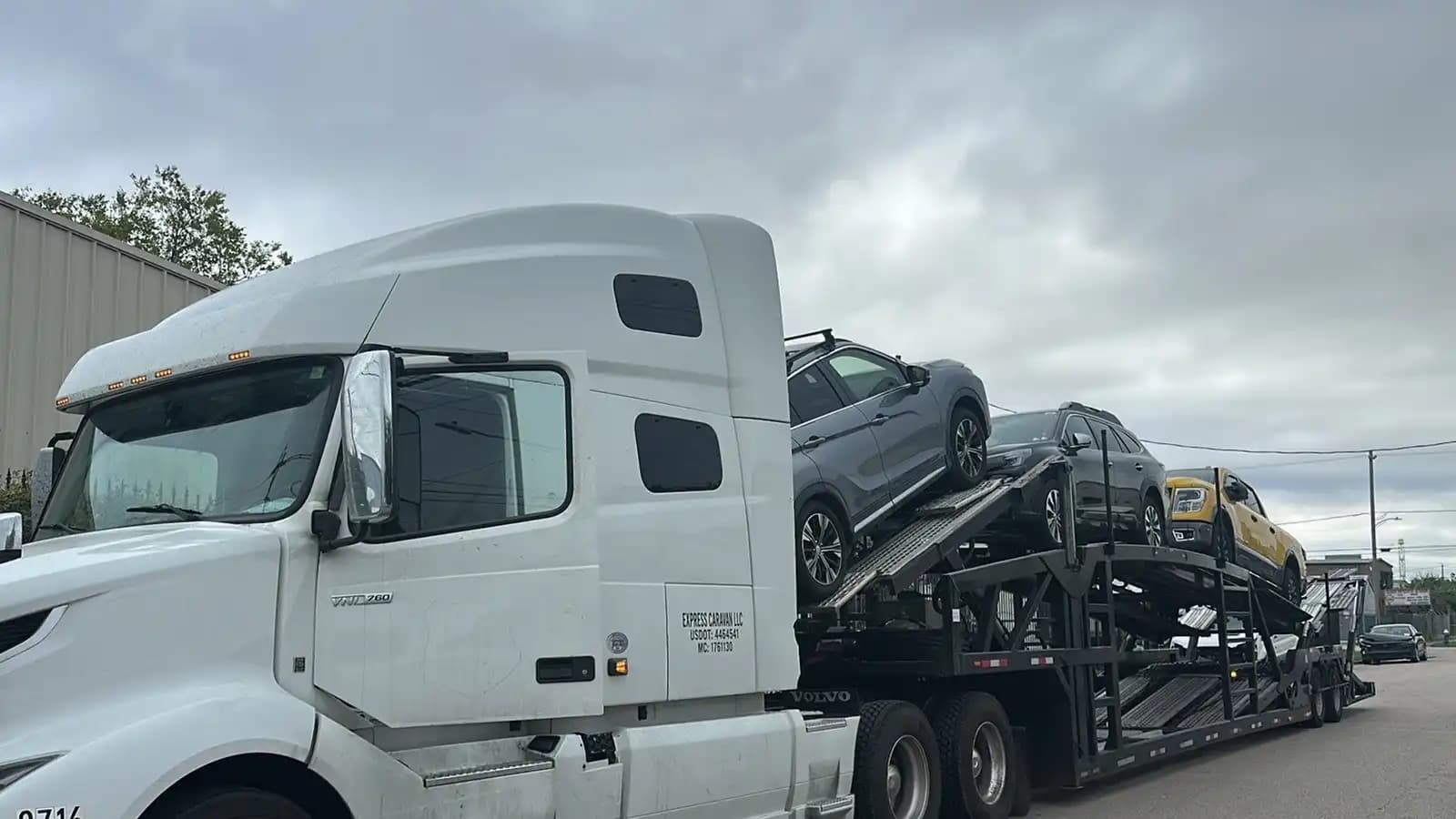
On a multi-car hauler, each handoff should be documented so the condition record is clear for every vehicle.
Why photographs can resolve a dispute
Consider a hypothetical disagreement about a scratch visible after delivery. If the pickup report and photos clearly show the same scratch in the same position, the parties have evidence it was already there. If the pickup images show an undamaged area while delivery documentation shows a fresh mark, those records can support a closer claim review.
Photos should be accurate, original, and taken at the correct stage. Avoid editing the files in a way that might obscure their context. The goal is a trustworthy timeline, not merely a large number of pictures.
What if damage is disputed? Build a timeline, not an argument
Consider a hypothetical delivery where the customer notices a mark on the roof. (Owners of high-value or freshly restored cars often reduce this kind of exposure with enclosed transport; compare open vs. enclosed shipping.) A close-up photo taken at delivery is helpful, but it becomes much stronger evidence when compared with clear pickup photos showing the same panel, the dated pickup condition report, and the completed delivery Bill of Lading. The goal is to establish what was visible at each handoff rather than rely on competing memories.
Keep original files, including timestamps when available, and preserve messages showing pickup and delivery arrangements. Record the exact location and nature of any suspected new damage on the delivery report when reasonably possible, and request the carrier’s written claim instructions. Do not digitally alter evidence or assume that a photo alone determines fault.
Regulatory detail: FMCSA does not generally require ordinary property auto carriers to file cargo insurance merely because they operate interstate. Federal cargo-insurance filing requirements expressly apply to household-goods carriers and certain related entities; separate commercial contracts and individual carrier policies may still require or provide cargo coverage. Verify the actual carrier policy, limits, exclusions, and claims procedure instead of relying on blanket statements.
Payment and chain-of-custody issues
A BOL can also help confirm that a particular transporter accepted and delivered a vehicle. That can be useful if there is confusion about who had the car or whether transportation occurred.
Payment questions, however, may be controlled by a separate booking contract, invoice, or carrier agreement. Do not treat the BOL as the only document that establishes what was owed or paid. If someone requests an unexpected payment or changes the recipient, verify the request using a contact channel you already trust.
Special care for evening deliveries
A driver may need to continue to another pickup or reach a legal rest stop, but the customer still needs a reasonable opportunity to assess the vehicle. Agree on a well-lit location (our door-to-door transport page explains how meeting points work) or another practical inspection arrangement when possible and document any visibility limitations. A rushed signature is not a substitute for a proper condition check.
Frequently asked questions
Do I need to sign the Bill of Lading at pickup?
The carrier typically uses a pickup condition report or BOL to document the handoff. Review it carefully, clarify any discrepancies, and retain a copy according to your shipment arrangements.
What if I discover damage after the driver leaves?
Photograph the issue as soon as you notice it, preserve all original shipment records, and contact the carrier and broker promptly. Ask for the appropriate claim procedure and any deadlines.
Is everything inside my car covered by cargo insurance?
Do not assume so. Coverage for personal belongings may be limited or excluded. Remove valuables and confirm the actual policy and carrier rules.
Can a delivery signature prevent a claim?
The effect of a signature depends on the documentation and applicable terms. It is much safer to record suspected discrepancies before signing rather than relying on a later explanation.
Want a better-informed shipping experience? Request a free car transport quote from Yorka Auto Transport, browse our published route prices, or see local service in Philadelphia and Houston.
Related Articles
Continue reading with these related posts
Auto Transport Broker vs. Carrier: Key Differences Explained
Learn who books your car shipment, who drives the truck, how to verify a carrier, and whom to contact about delays, damage, or delivery paperwork.
Cheap Car Shipping Quotes: What to Check Before Booking
A cheap car shipping quote is not always a confirmed truck price. Learn how auto transport estimates work, what changes rates, and how to compare offers.
Door-to-Door Car Shipping in Houston: Pickup Tips for Katy, Sugar Land, The Woodlands & More
What to expect from door-to-door car shipping in Houston, with pickup tips for Inside the Loop, Katy, Sugar Land and The Woodlands, plus 2026 route prices.